Dolby Atmos. Another way to build space.
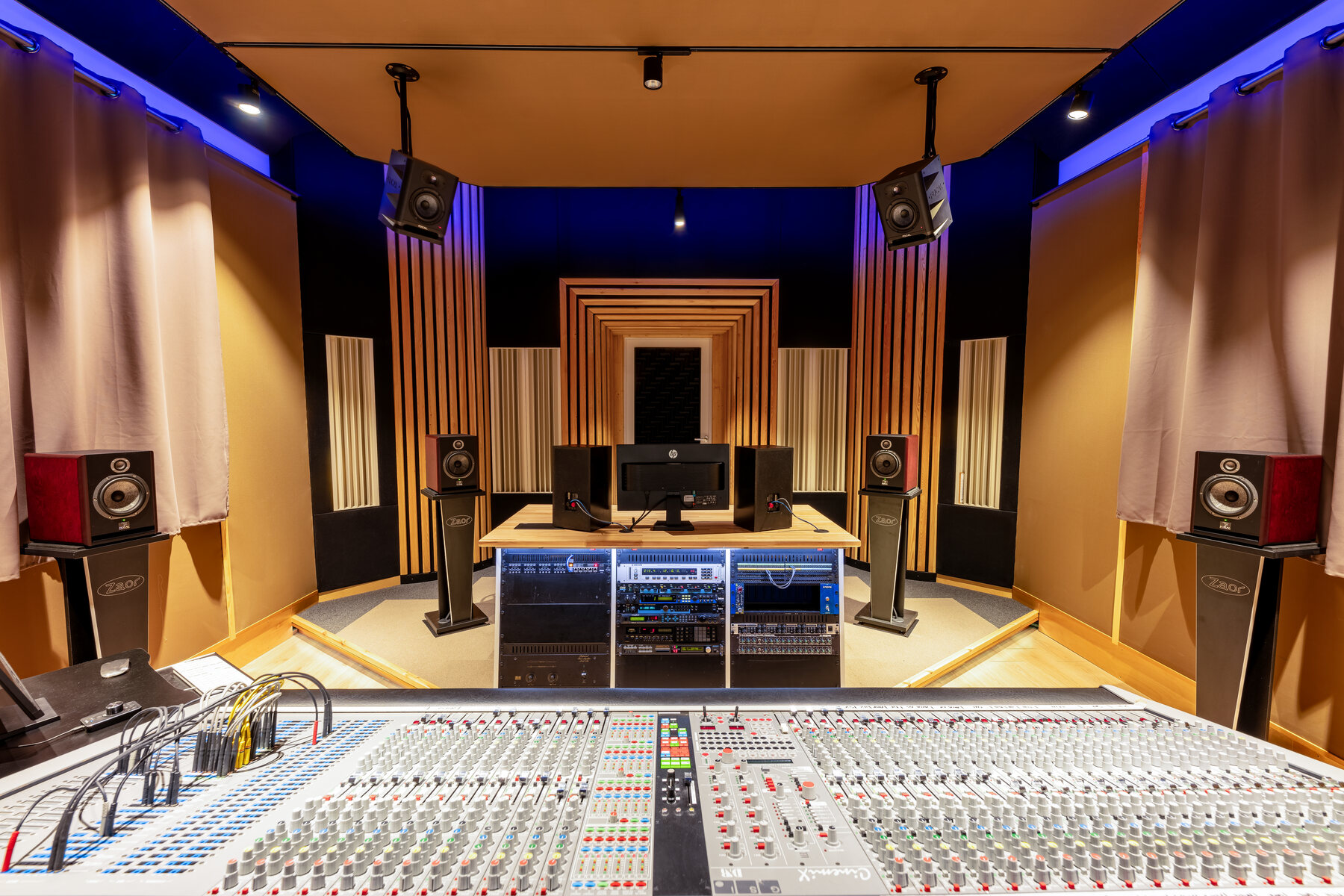
Dolby Atmos lets you work with depth, height, distance and movement, going beyond the left/right plane of stereo. In the 7.1.4 room at 1901 Factory, I can build an immersive mix from the production itself or from an already finished stereo mix.
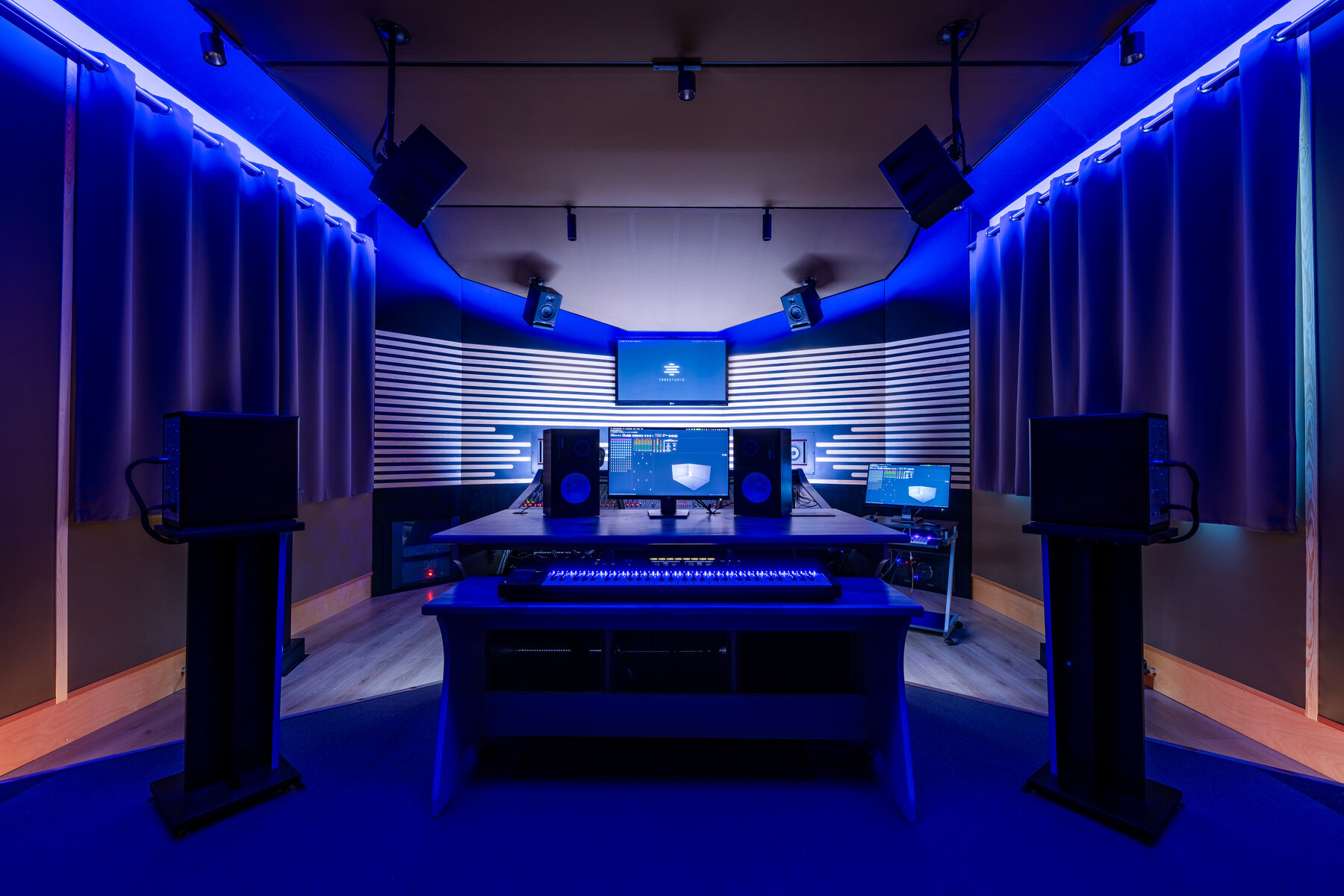
A room designed to hear space precisely without losing sight of the music.
Another perspective.
When I receive a project made elsewhere, the first step isn’t moving elements around the room. It’s listening: understanding the balance, where attention falls, how the dynamics work and where the emotional center of the track is.
01 — LISTEN
Before building the space, I listen to the project.
02 — BUILD THE SPACE
Depth, height and distance become part of the mix.
03 — MOVE ONLY WHEN IT MATTERS
Movement can be effective. That’s exactly why it shouldn’t become automatic.
04 — LISTEN AGAIN
Once the novelty wears off, the mix still has to work musically.
05 — FINALIZE
Checks, comparative listening and preparation of the Atmos master.
More space doesn’t mean more sound.
Atmos offers more possibilities, but that doesn’t mean using all of them. A voice can stay in front, a reverb can become an environment, a detail can find its own space. And sometimes nothing needs to move.
If moving a sound doesn’t help the music, it doesn’t need to move.
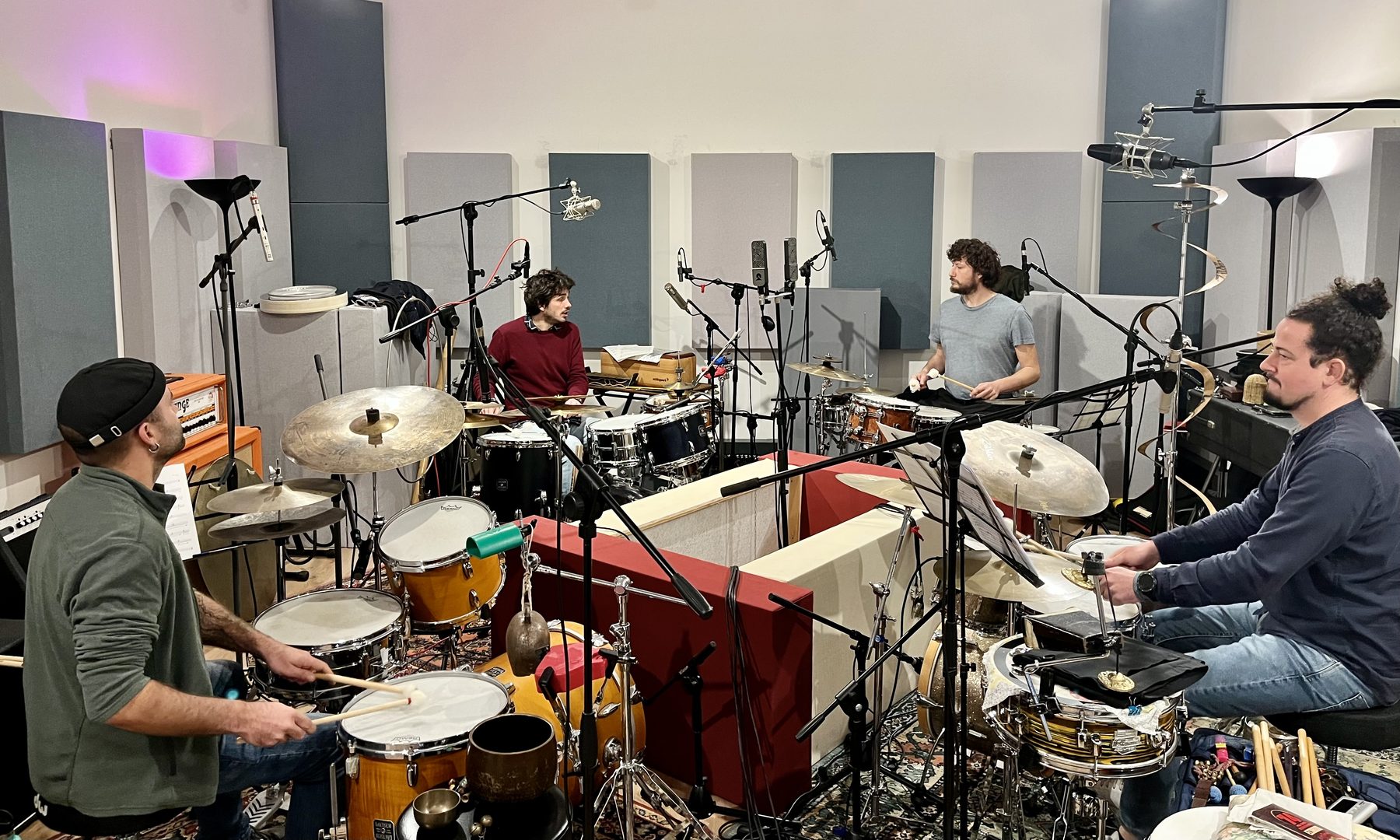
Pulsar Ensemble Acoustic
Born in Atmos.
The project was conceived for Dolby Atmos from the very beginning. The musicians’ placement, the recording and the mix were all designed with three-dimensional space as an integral part of the music. The immersive version is the original.
Should your music be in Atmos?
Not necessarily.
Atmos is a creative possibility, not a requirement. If the format adds something to the music, we can explore it. If it doesn’t, there’s no reason to force it.
Tell me about your project →